Drone-based topographic surveys: planimetric and altimetric coordinates
Planimetric and altimetric surveys using drones represent an efficient and innovative solution for acquiring precise topographic data. Using professional drones equipped with high-resolution sensors and advanced georeferencing systems, it is possible to quickly survey both the planimetric coordinates and the altimetric data of an area, providing an accurate representation of the terrain’s shape and position.
High precision with RTK technology and ground control points
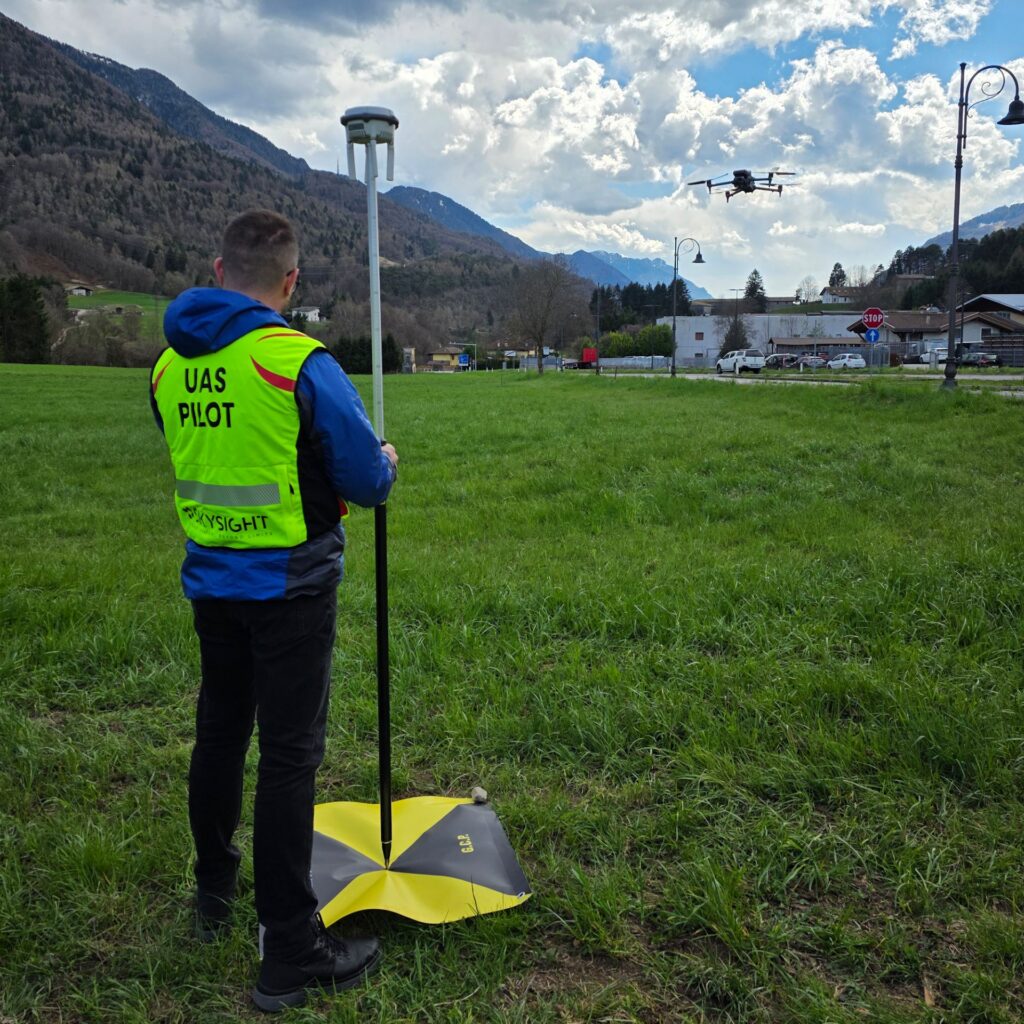
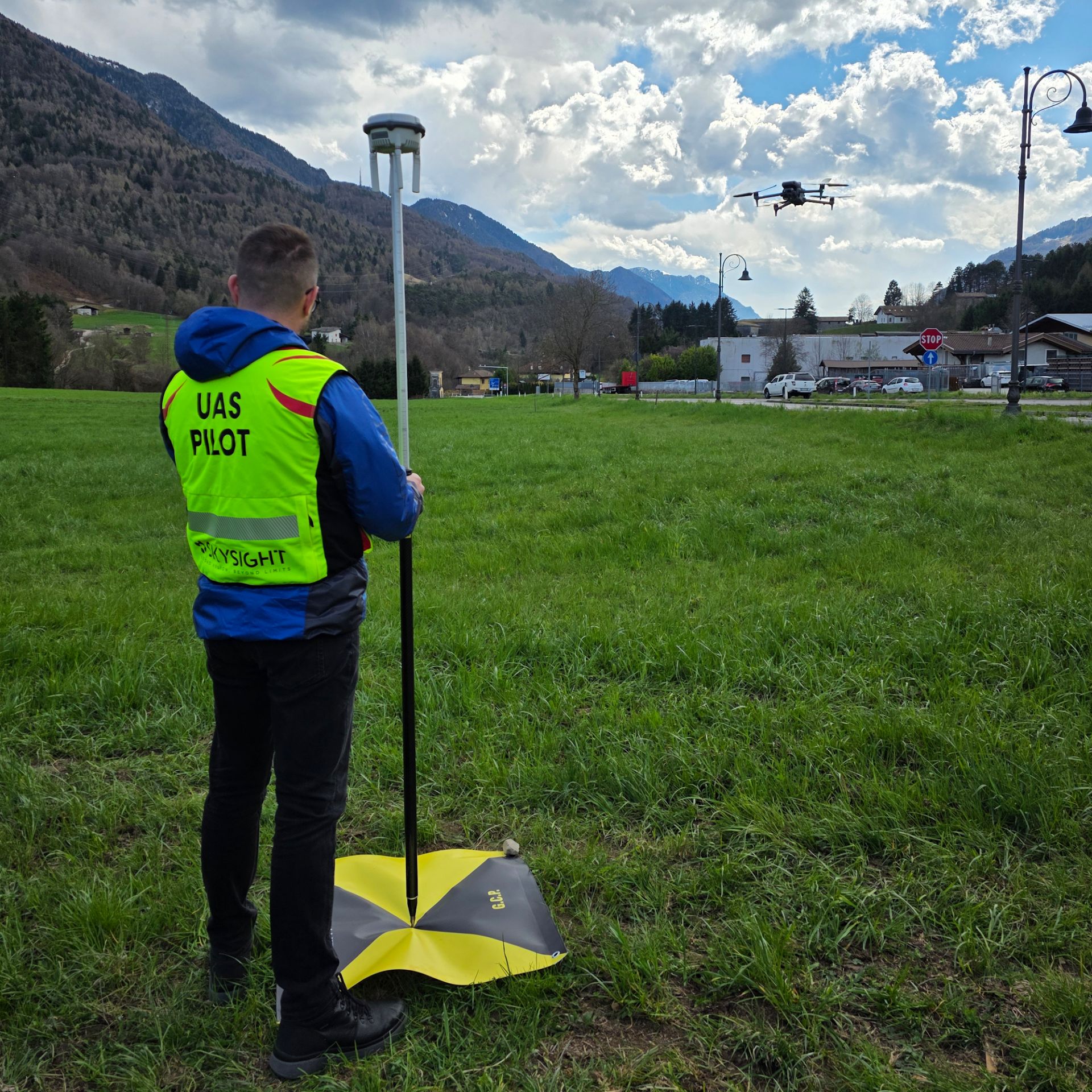
To ensure the accuracy of the survey, we use RTK georeferencing and ground control points (GCPs), which allow the acquired data to be anchored to real-world coordinates with a high degree of reliability. The level of precision can be calibrated on request, based on the project requirements and the tolerances specified by the client.
Technical products: orthophotos, DTMs, DSMs and point clouds
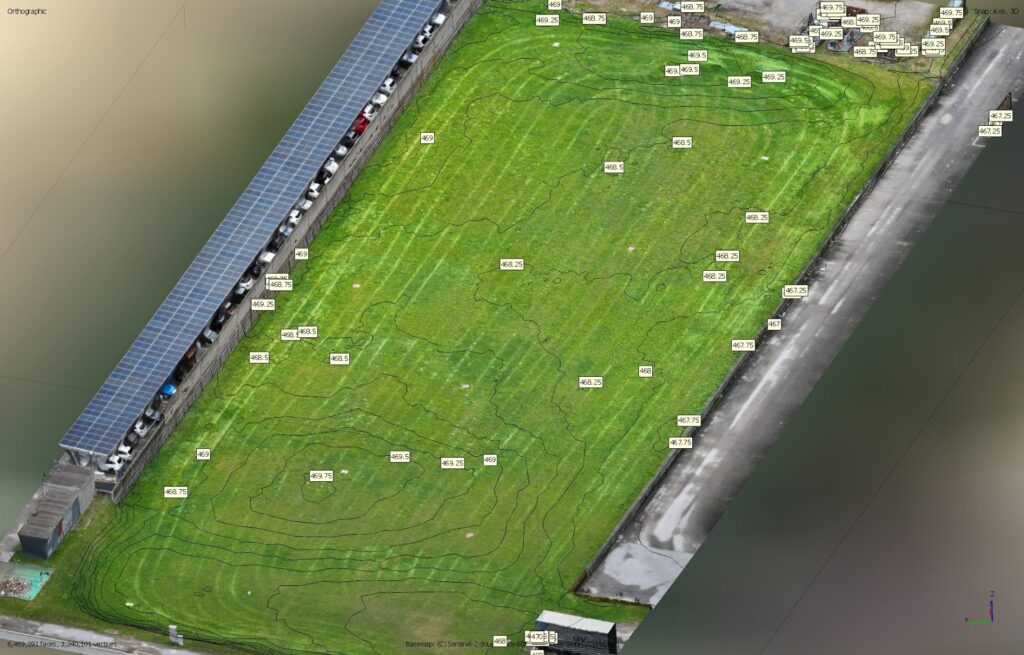
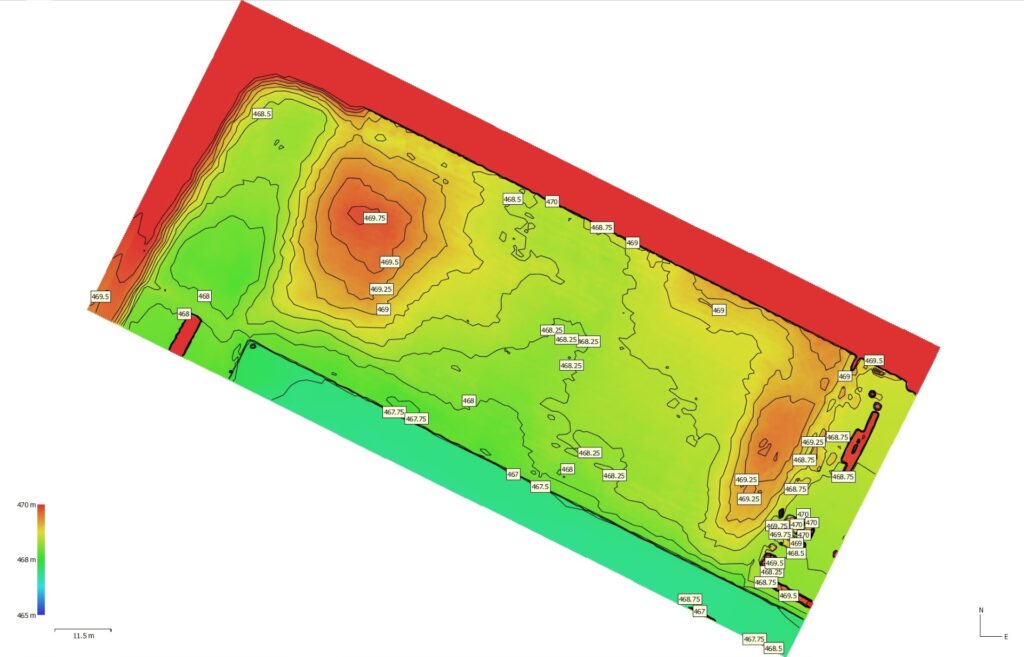
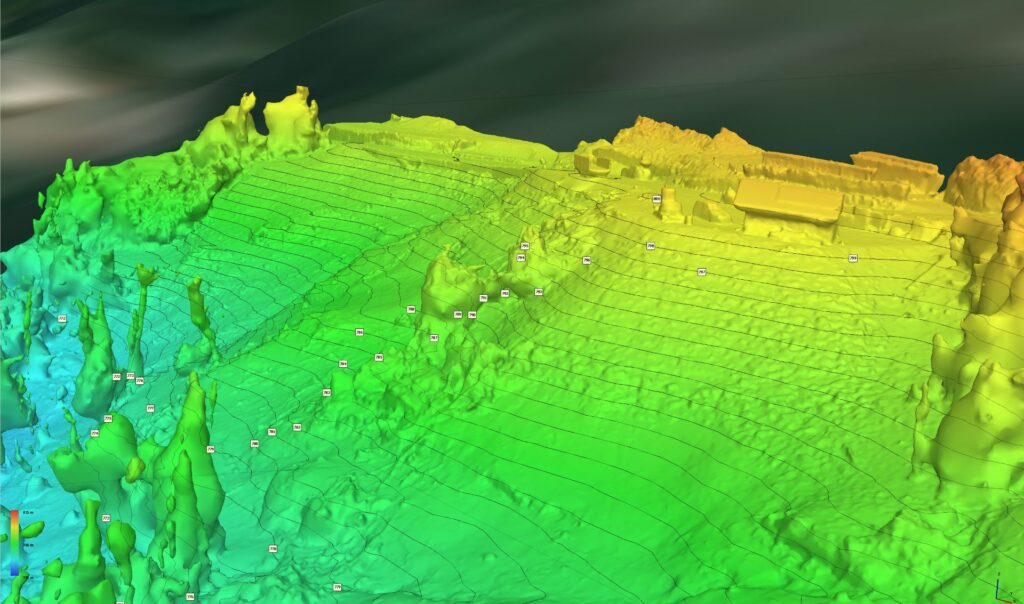
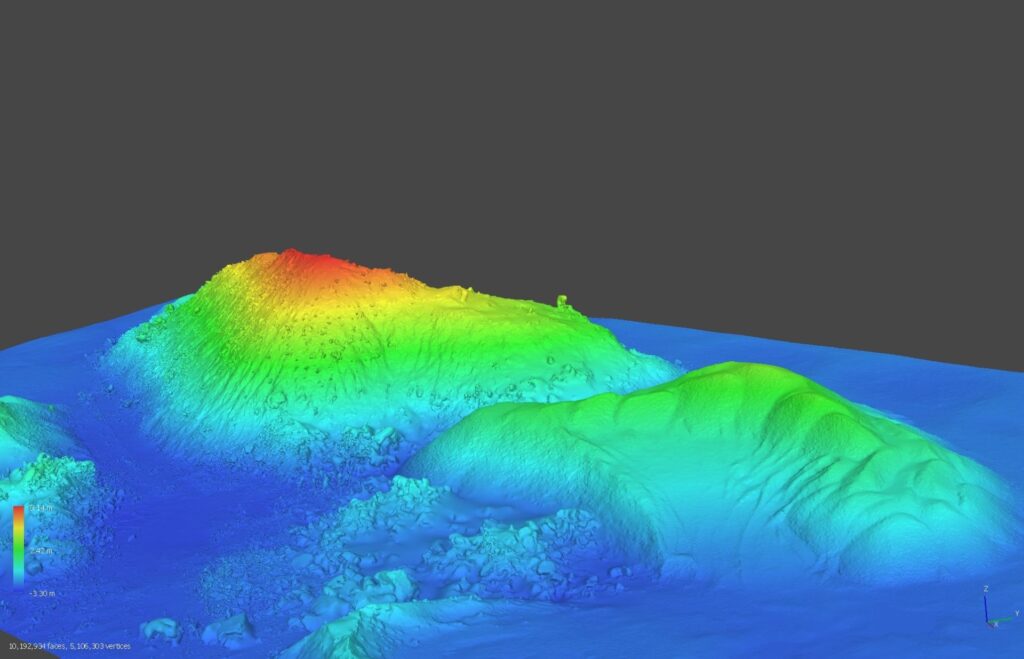
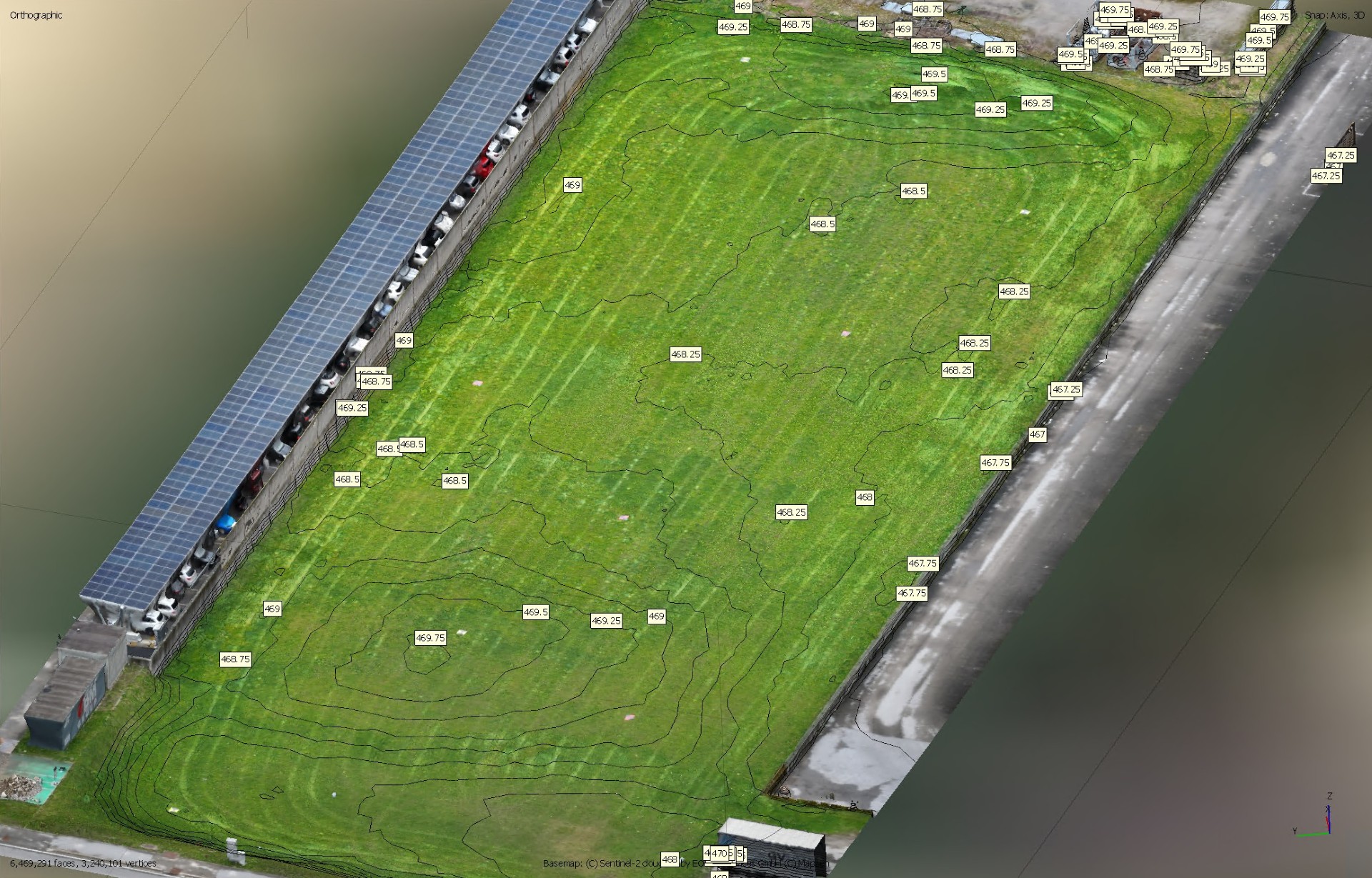
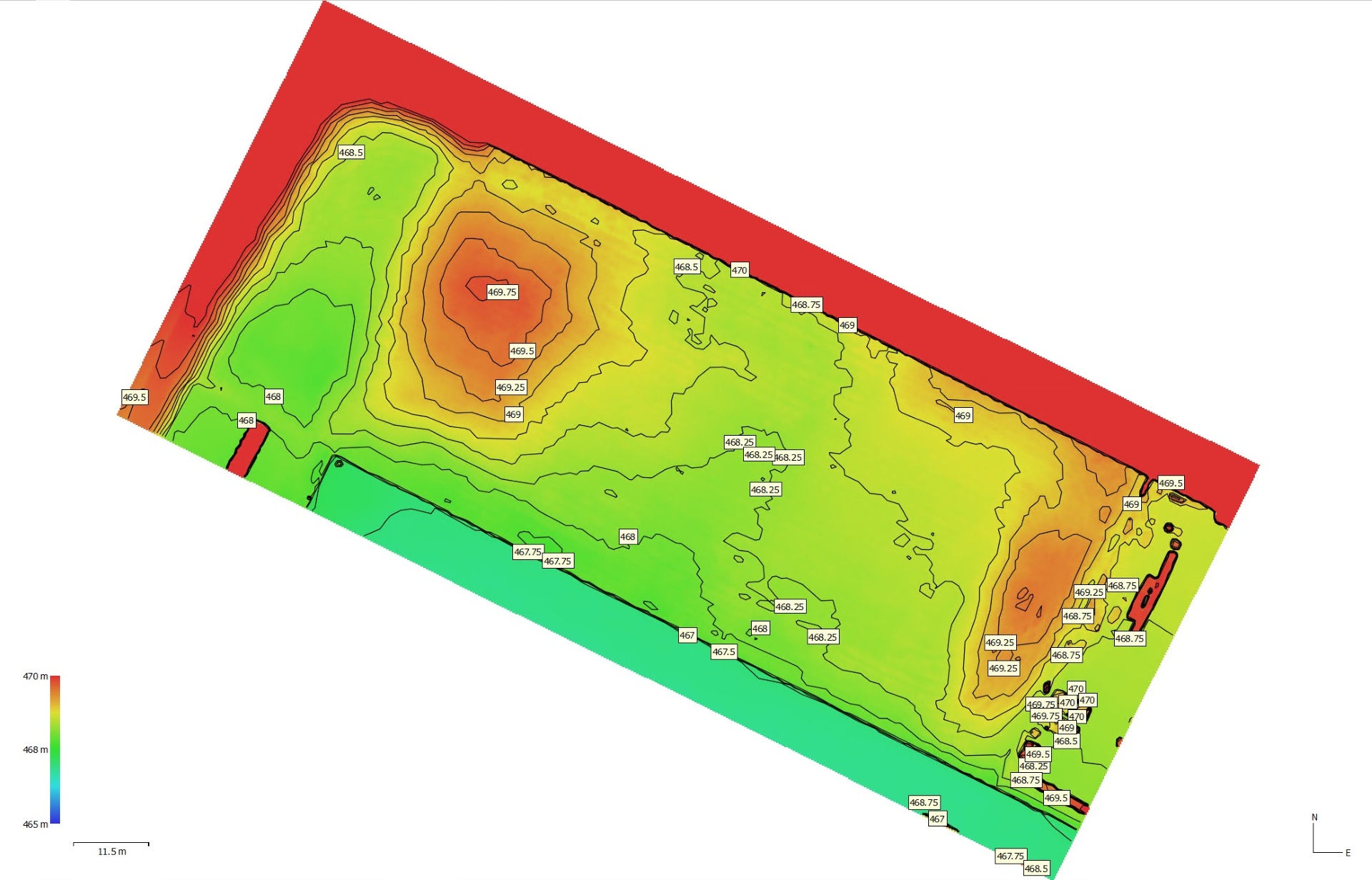
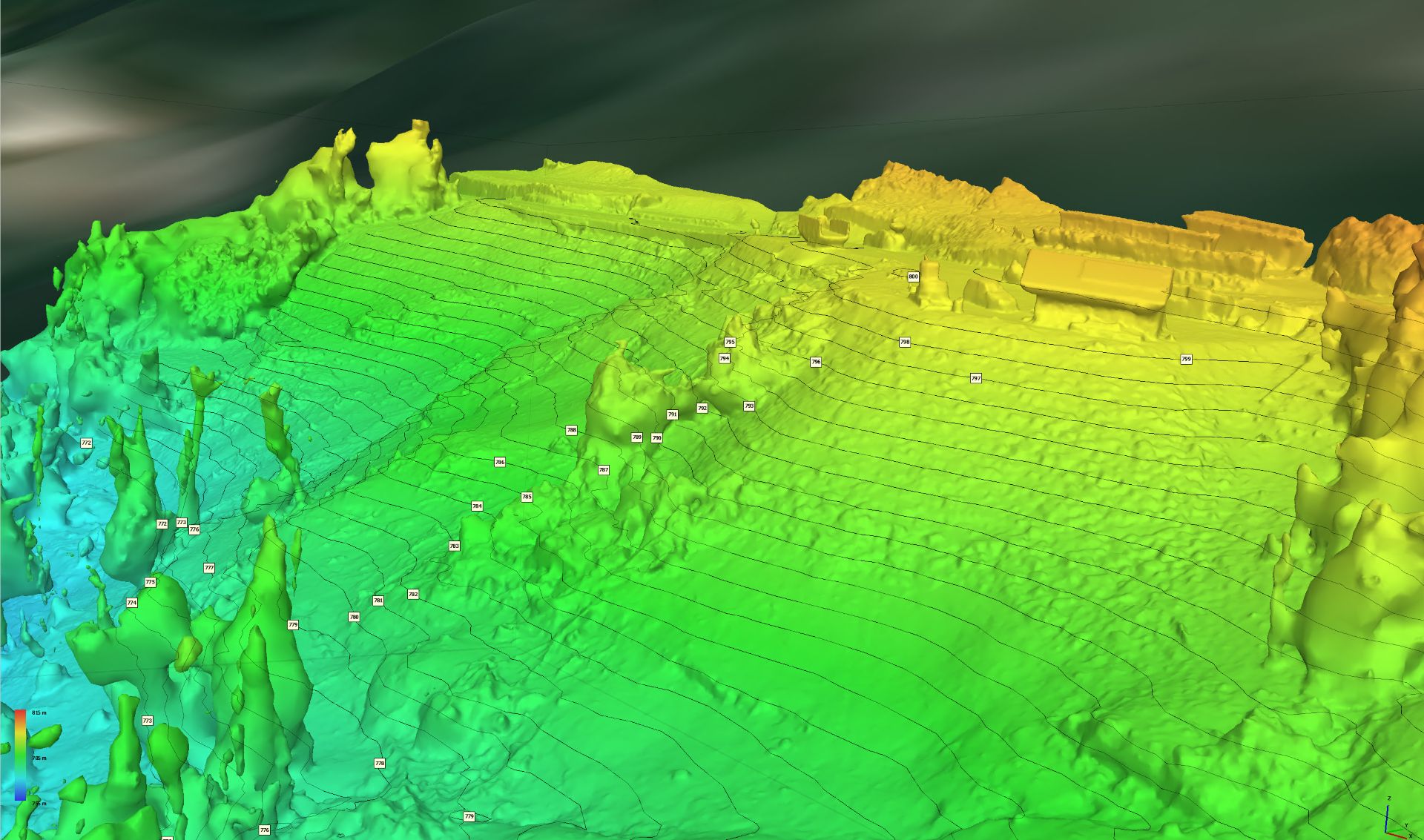
The data collected is processed using photogrammetry software or through the processing of LiDAR scans to generate technical products such as georeferenced orthophotos, digital terrain models (DTMs), digital surface models (DSMs), point clouds and three-dimensional models. This information can be easily integrated into the main CAD, GIS and BIM software programmes used by engineers and designers, to support design, as-built documentation and land analysis.
Applications of drone surveying
The versatility of aerial surveying makes it suitable for numerous technical contexts, including:
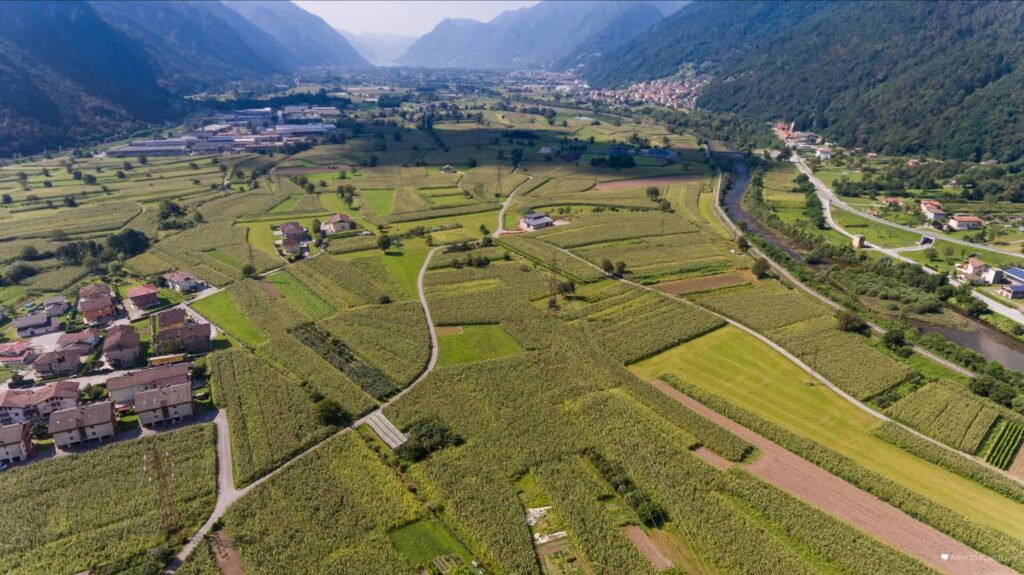
- surveying of landslides and ground instability, to monitor terrain morphology even in areas that are difficult to access or hazardous;
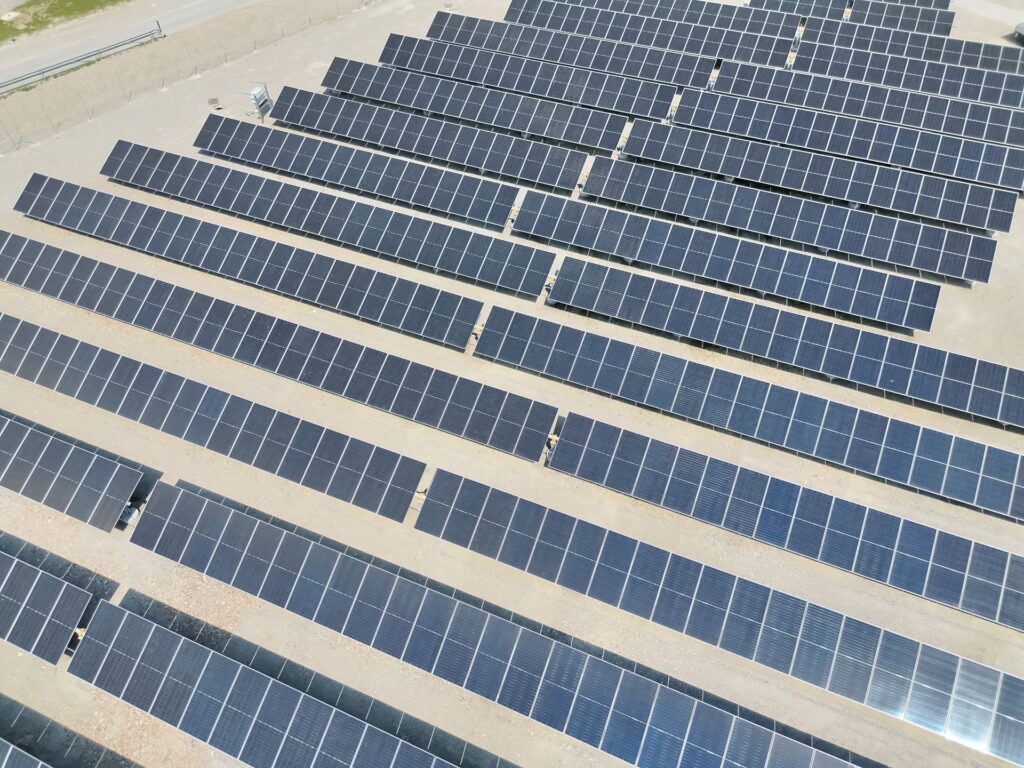
- surveys for the design of solar farms, to capture the terrain configuration to support the plant design phase;
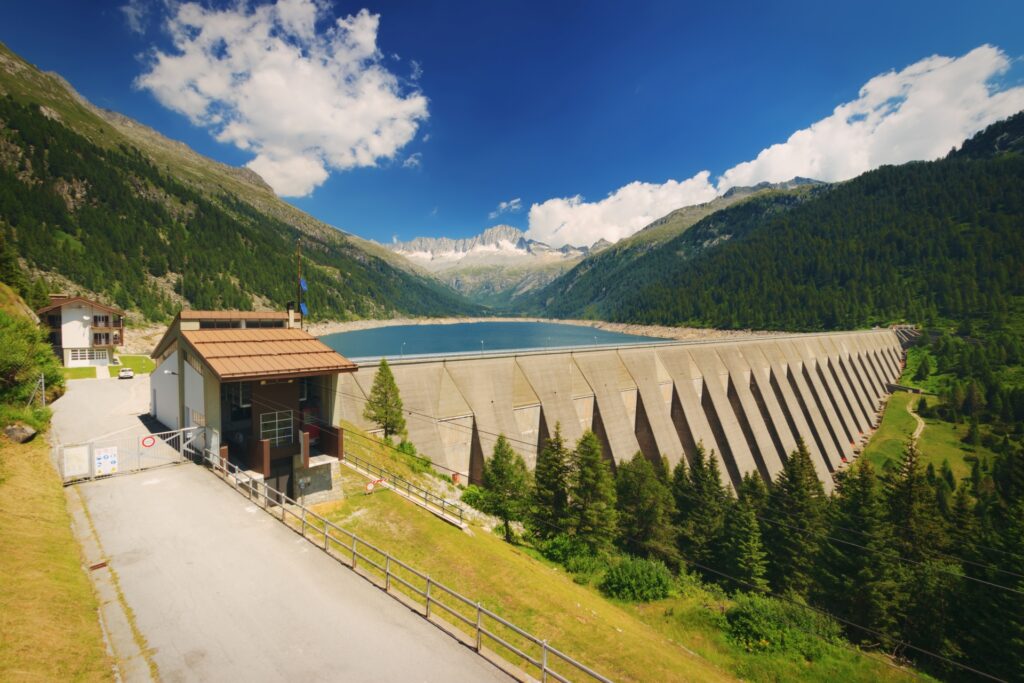
- surveys of water bodies and surrounding areas, for environmental and territorial analysis.
Advantages over traditional surveying methods
- surveying large areas in a much shorter time than with traditional topographical methods;
- reducing operational costs thanks to the speed of data acquisition and the reduced need for field staff;
- obtaining very dense point clouds, providing a detailed representation of the terrain’s morphology;
- acquiring data in complex or potentially hazardous areas, thereby reducing operators’ exposure to potential risks.
From surveying to volume calculation
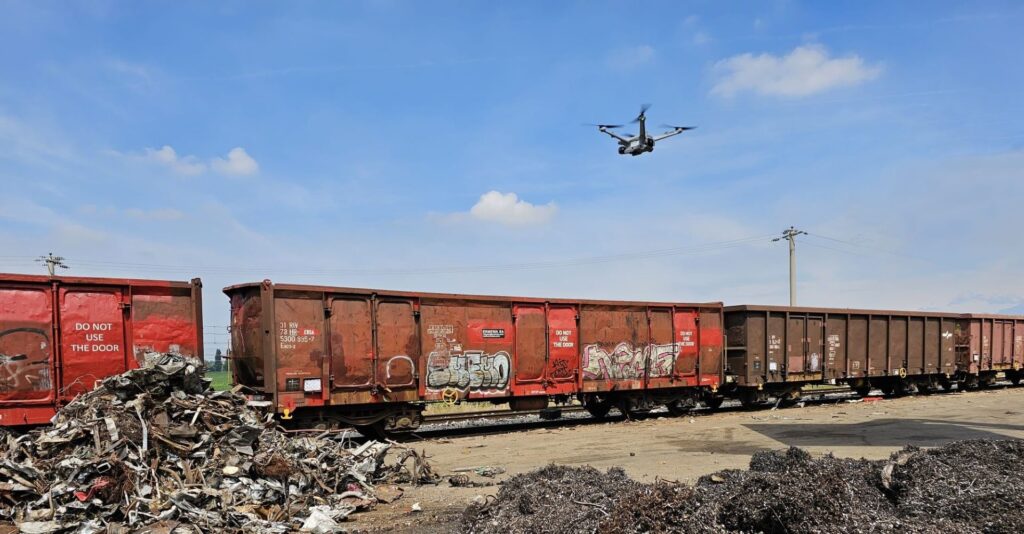
Planimetric and altimetric surveying also forms the basis for volume calculation: from these same terrain models, we derive volume estimates for mounds and the volumes of excavated and backfill material on an earthworks site. Discover our volume estimation service.
An effective tool for technical and design work
Thanks to the combination of precision, speed and comprehensive data, drone surveys are now an extremely effective tool for supporting technical, design and land analysis activities.